A large Saharan dust plume is making its way across the Atlantic Ocean and is expected to reach the Texas Gulf Coast starting Wednesday, with an even bigger surge arriving by Monday, June 29.
The dust originates in the Sahara Desert in North Africa, where powerful winds lift billions of tiny sand and dust particles high into the atmosphere. Those particles travel thousands of miles across the Atlantic, eventually reaching the Caribbean, the Gulf of Mexico, and southern states like Texas and Florida.
Health warning: People with asthma, allergies, or respiratory conditions are advised to stay indoors during peak dust hours and keep their medications close by.
Air quality in Houston is currently rated Moderate — the second level on the Air Quality Index scale. It is expected to remain at that level through Wednesday and Thursday. While the air is acceptable for most people, those with lung or respiratory conditions face a real health risk.
Officials confirm the dust will spread across the eastern two-thirds of Texas on Wednesday, producing widespread hazy conditions. Visibility may drop and the sky could appear cloudy or washed out even on otherwise clear days.
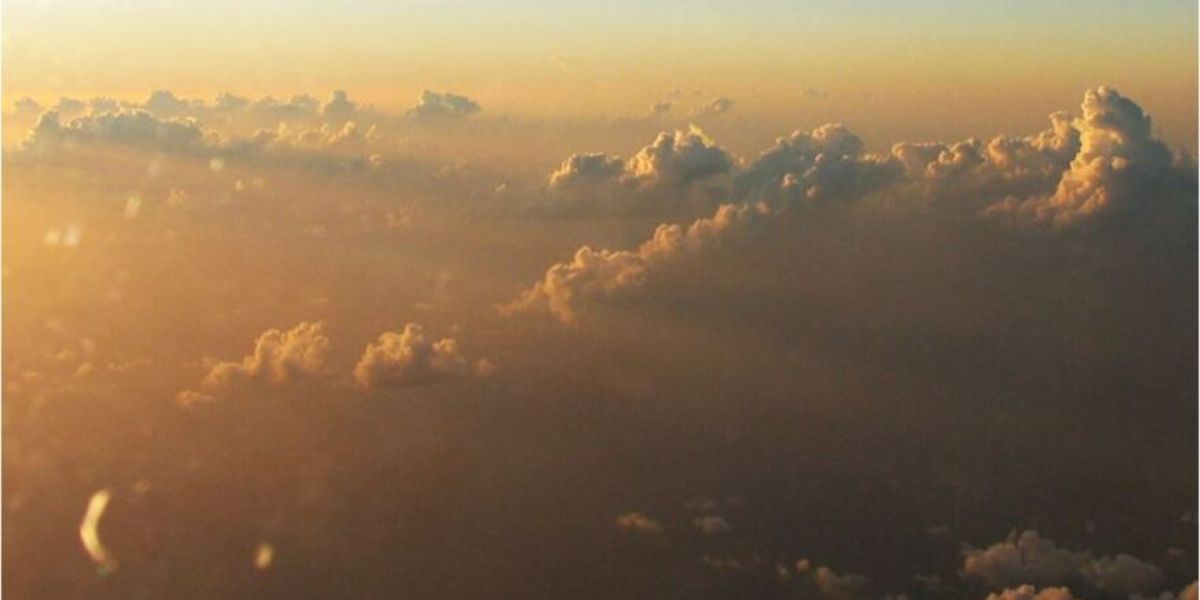
There is one striking upside. Saharan dust is well known for producing vivid, dramatic sunsets. As sunlight passes through the dust particles in the atmosphere, cooler colors like blue scatter away while warm colors — deep reds, oranges, and pinks — dominate the sky. Houstonians are encouraged to have their cameras ready at dusk.
The dust will also suppress hurricane activity. Dry air carried by the plume limits the warm, moist conditions needed for tropical storm formation. Hurricane season runs from June through November, and Saharan dust peaks from late June to mid-August — a natural but temporary shield during the heart of the season.
Residents should monitor local air quality updates and limit outdoor activity if symptoms develop.