Affected states: North Dakota, South Dakota, Nebraska, Kansas, Iowa, and parts of the Upper Midwest. Active threat begins now and runs through at least July 11.
An unusually dangerous and prolonged severe weather pattern is taking shape across the Northern Plains and central United States, with long-range atmospheric models now showing three consecutive weeks of environments capable of producing violent supercell thunderstorms, large hail, and tornadoes. Meteorologists say the strength and duration of this signal is rare for this time of year.
Week one: June 21–27
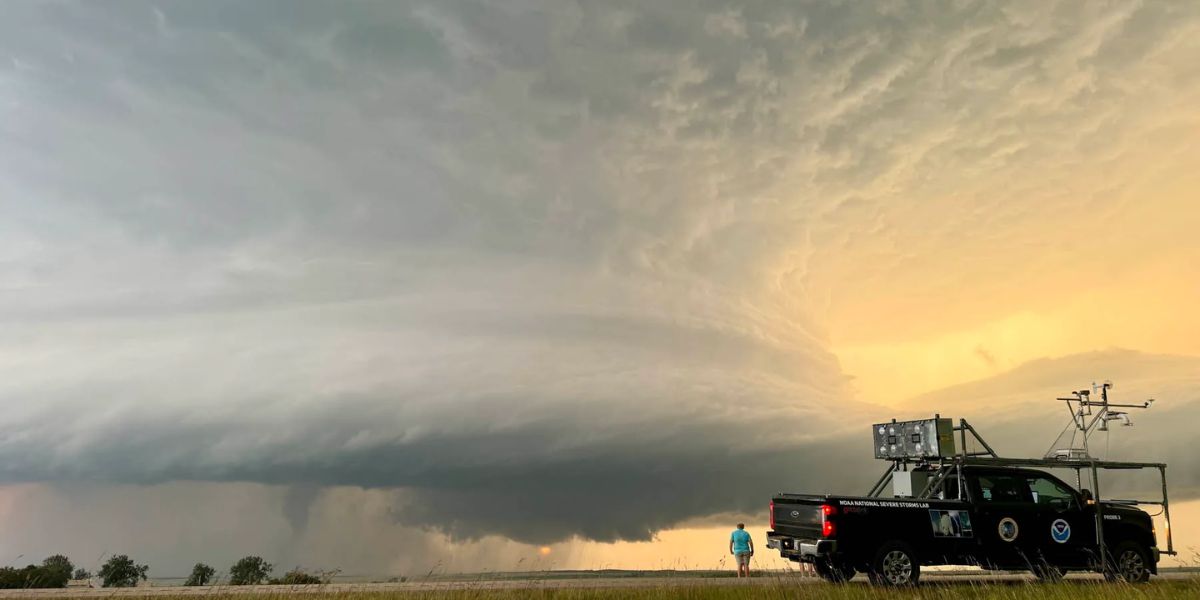
The first dangerous window is already underway. Atmospheric conditions across the central and southern Plains are showing strong agreement among forecast models for organized, long-lived supercells — the type of storms most capable of producing significant tornadoes. Residents across Kansas, Nebraska, and South Dakota are at elevated risk this week.
Week two: June 28–July 4
Rather than a break, the active pattern shifts slightly northward and continues with little relief. The storm threat during the Fourth of July holiday period overlaps with additional elevated risk signals across the Midwest and Ohio Valley, raising concerns about dangerous conditions coinciding with large outdoor gatherings.
Week three: July 5–11
The third and final window shows no sign of the pattern weakening. Supercell-supportive conditions are forecast to persist across the Northern Plains and Upper Midwest well into mid-July. Some forecasters are now stating that the traditional tornado season may effectively extend through the summer of 2026 across these regions.
What residents should do now
Authorities urge residents across all six states to identify a storm shelter, charge weather alert devices, and monitor local emergency broadcasts daily throughout this period. Do not wait for a watch or warning to be issued — with repeated supercell setups forecast over three weeks, conditions can escalate rapidly with little notice.