A Houston woman who suffered catastrophic injuries after being struck by a freight train was awarded $73 million by a jury — but that verdict has now been thrown out entirely, and the case is headed back to court.
Mary Johnson was found lying unconscious on railroad tracks at the Lyons Avenue crossing in Houston’s Fifth Ward in the early morning hours of March 5, 2016. A Union Pacific train struck her before she could be moved to safety. Johnson survived, but the impact left her with severe brain damage and the loss of both her limbs.
Her lawsuit claimed the train’s crew failed to take timely action that could have prevented the collision. A jury sided with Johnson and awarded her $73 million in damages — a verdict that drew widespread attention across the state.
But a Texas appeals court has now reversed that decision, ordering a new trial. The court found that the original trial applied the wrong legal standard. Under the correct standard — gross negligence — the evidence did not support holding Union Pacific liable.
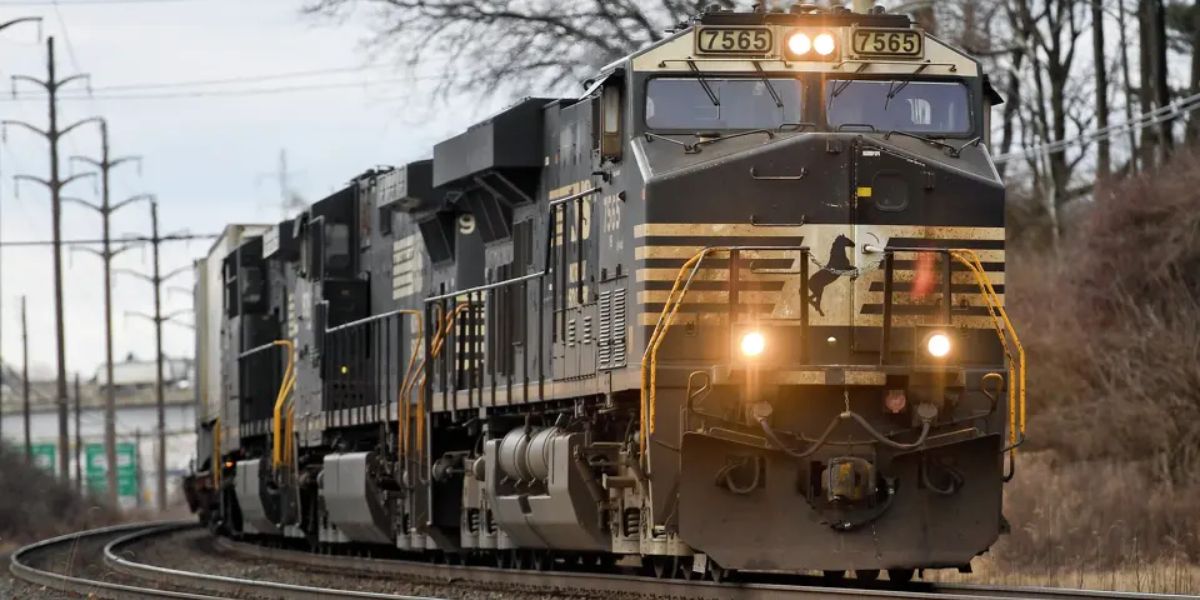
According to court documents, as the train approached the crossing that night, the gates came down, warning lights activated, and bells rang. The crew, upon spotting an unidentified obstacle on the tracks, sounded the horn repeatedly. When the engineer identified the obstacle as a person, he immediately activated the emergency brake — but it was too late to stop the train in time.
Court records also indicate Johnson had a blood-alcohol level of 0.197 at the time — nearly twice the legal limit — and had trespassed onto railroad property without authorization.
Union Pacific, in a statement, stressed that trains cannot swerve to avoid obstacles and may need up to a mile to come to a full stop depending on speed and weight. The company urged the public to stay off railroad property, calling trespassing both illegal and life-threatening.
The case will now return to a lower court for a new trial, leaving Johnson’s future compensation uncertain. The outcome will hinge on whether the new jury finds sufficient evidence of gross negligence — a significantly higher legal bar than the standard applied in the original trial.