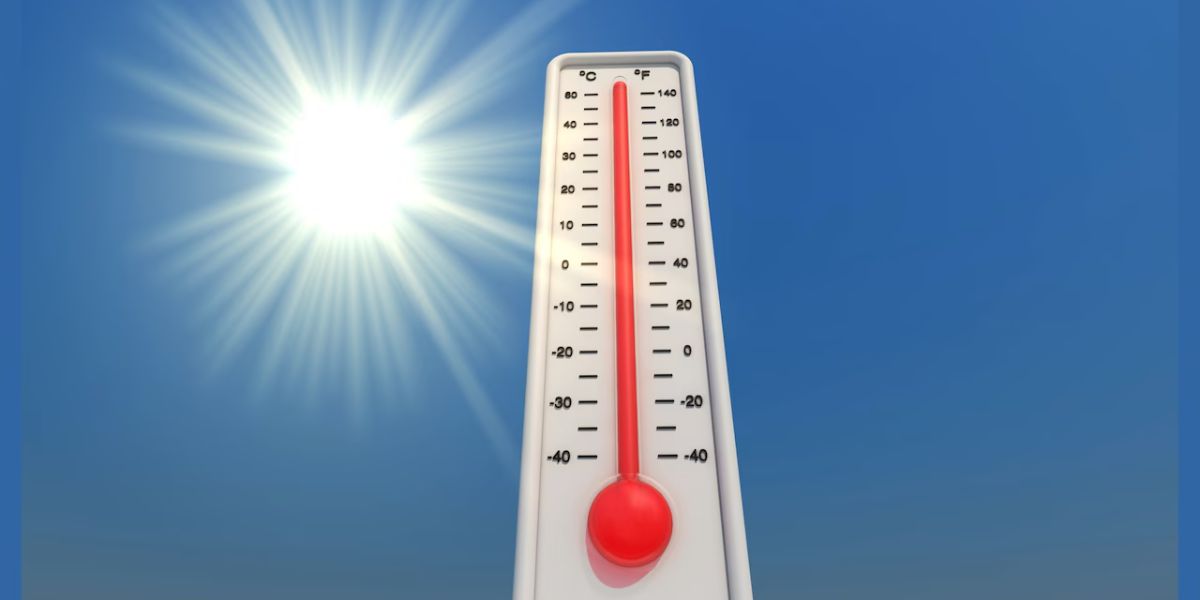
New Jersey is no stranger to brutal summer heat — but what is unfolding this week is the kind of dangerous, life-threatening situation that forces residents to pay close attention.
The state’s all-time highest temperature on record is 110 degrees Fahrenheit, reached in July 1936 at a weather station in the Runyon section of Old Bridge, Middlesex County. That record has stood for nearly 90 years, and meteorologists maintain it remains the highest actual air temperature — not a heat index — ever documented in the state.
Fifteen years ago, New Jersey came dangerously close to breaking it. On July 22, 2011, a thermometer at Newark Liberty International Airport climbed to 108 degrees during a fierce heat wave. On that same day, Trenton Mercer Airport in Ewing reached 106 degrees — only the second time in history that city had reached that mark. The first was also in the brutal summer of 1936.
Other cities share their own grim heat milestones. Atlantic City’s all-time record high stands at 106 degrees, set on June 28, 1969. New Brunswick, one of the state’s oldest weather monitoring sites, has logged 106-degree readings twice — on July 2, 1901, and August 7, 1918 — and has recorded five separate days of 105-degree heat across more than a century of records.
Now, forecasters warn that a massive dome of high pressure has settled over the region, trapping hot, humid air near the ground. Temperatures could reach 104 to 105 degrees in some areas Thursday and Friday. When factoring in the crushing humidity, the heat index — how hot it actually feels on your skin — could soar as high as 110 to 115 degrees in parts of New Jersey.
Officials are urging residents, especially the elderly and young children, to stay indoors, drink water consistently, and check on neighbors. Heat-related illness can set in faster than many people realize — and in conditions like these, even brief outdoor exposure can be dangerous.