As a punishing heat wave grips New Jersey during the Fourth of July holiday weekend, hundreds of thousands of residents are heading to the Jersey Shore to escape the brutal inland temperatures — but what they find in the water may shock them.
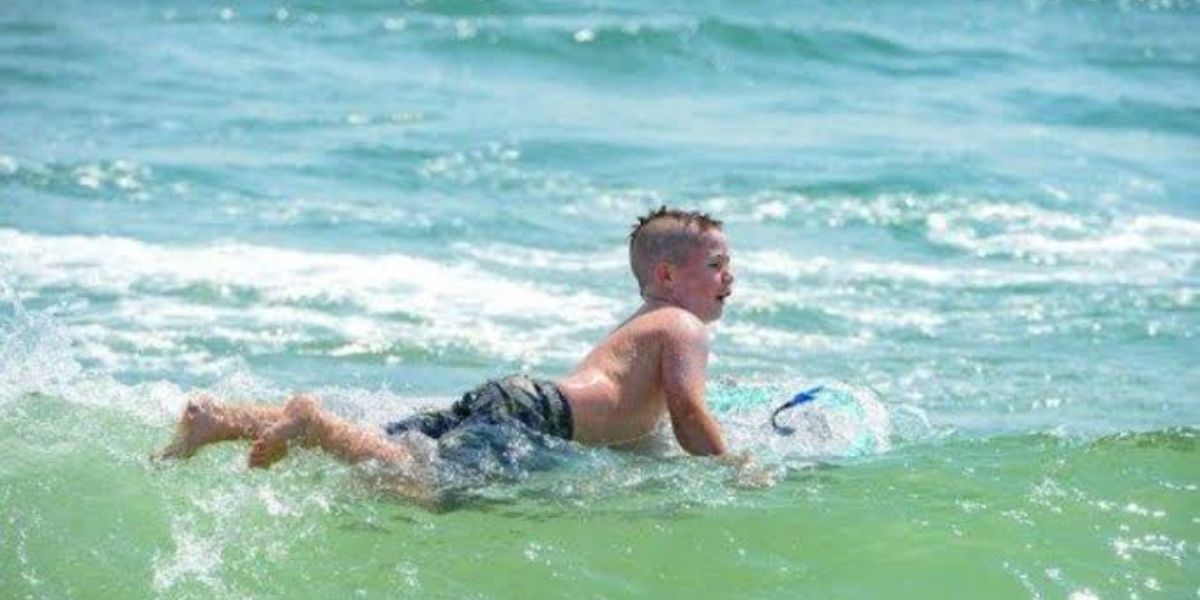
Ocean water temperatures off the coasts of Atlantic City and Cape May have plunged to around 63 degrees, according to the National Weather Service. That is a full 7 degrees colder than the typical early July reading of 70 degrees — making it dangerously cold for some swimmers and startling for anyone expecting a warm summer dip.
The reason behind this unusual cold snap in the ocean is a weather phenomenon called upwelling. When winds blow from the west or southwest — off the land and out toward sea — they push the warm surface water away from shore. Colder water from the depths then rises to replace it. That process has been actively occurring along parts of the southern Jersey Shore this week, resulting in water temperatures that feel more like early spring than the height of summer.
Beachgoers heading south should be prepared for a jarring contrast: scorching hot boardwalk pavement, blazing hot sand — and then frigid ocean water the moment they step in.
Not all parts of the Shore are equally cold, however. Farther north, off Sandy Hook in Monmouth County, water temperatures have actually climbed to nearly 78 degrees — well above average for this time of year.
Despite the cold water, the Shore still offers some relief from the heat. Coastal air temperatures on Friday and Saturday are expected to reach only the upper 80s to low 90s — significantly cooler than the 95-to-low-100s forecast for inland areas of the state.
Visitors should also prepare for possible rain showers and thunderstorms, mainly expected late Friday and Saturday afternoons. Authorities urge all swimmers to be cautious given the cold water temperatures, which can cause rapid fatigue and muscle cramps even in experienced swimmers.