Houston, TX- If the Houston sky has looked strangely hazy or your allergies have suddenly worsened, there is a specific reason — and it traveled more than 5,000 miles to reach you.
A large plume of Saharan dust has settled directly over Texas after crossing the Atlantic Ocean, meteorologists confirmed. The desert air mass is responsible for the milky, bleached appearance hanging over the Houston metro area, and it is already triggering allergy flare-ups among residents.
Dan Reilly, a former National Weather Service forecaster with 32 years of experience who now runs a private weather company in Texas, described the plume as hot, dry desert air that creates several distinct effects on the local atmosphere.
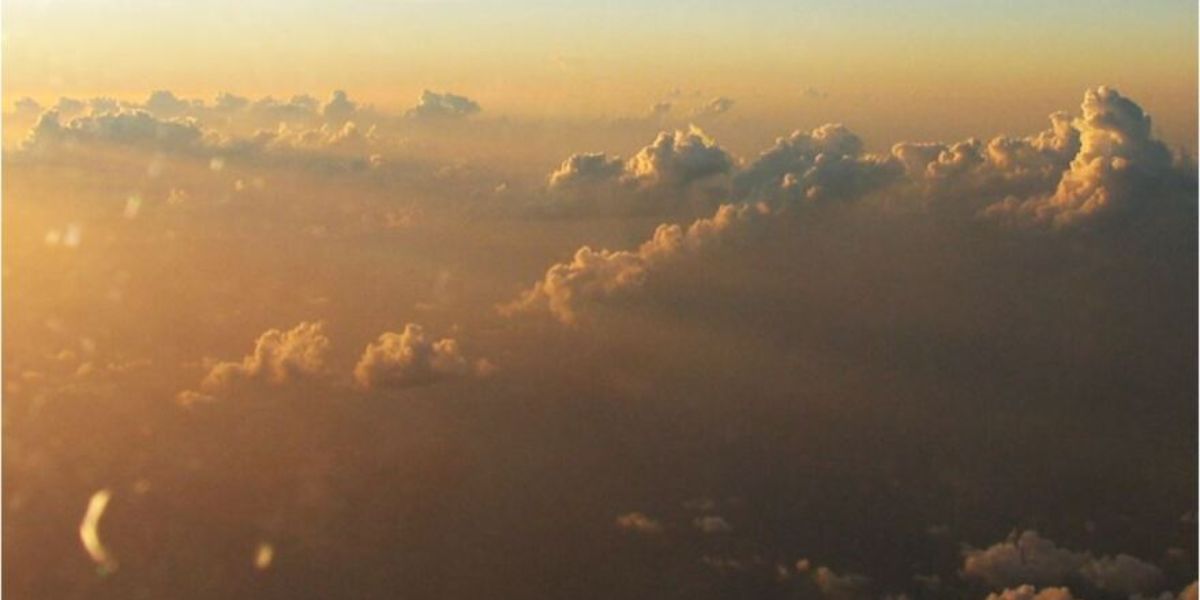
The dust causes hazy, milky skies during peak hours and unusually vivid sunsets as particles scatter light — but it also acts as a barrier that suppresses the formation of tropical storms by cutting off the moist air they need to survive.
Why this isn’t just a dust problem
While the dust is currently acting as a natural shield against hurricane development in the Gulf, experts warn Houstonians not to take that protection for granted. The Saharan dust layers typically weaken as the region moves deeper into August and September — the peak of hurricane season.
This year also features an El Niño pattern, which generally produces fewer Atlantic storms. However, Reilly urged residents not to interpret a quieter forecast as safety. Major hurricanes, including Hurricane Alicia, have historically formed along the upper Texas coast in the years immediately following strong El Niño cycles.
What Houston residents should do now
Reilly’s advice is direct: prepare your emergency kit before a storm cone ever appears in the Gulf. That means stocking water, non-perishable food, and essential supplies while conditions are still calm. Waiting until a storm is named is waiting too long.
In the short term, residents dealing with allergy symptoms should limit outdoor exposure during peak dust hours, keep windows closed, and run air filtration indoors. People with asthma or respiratory conditions should consult their doctor if symptoms worsen.