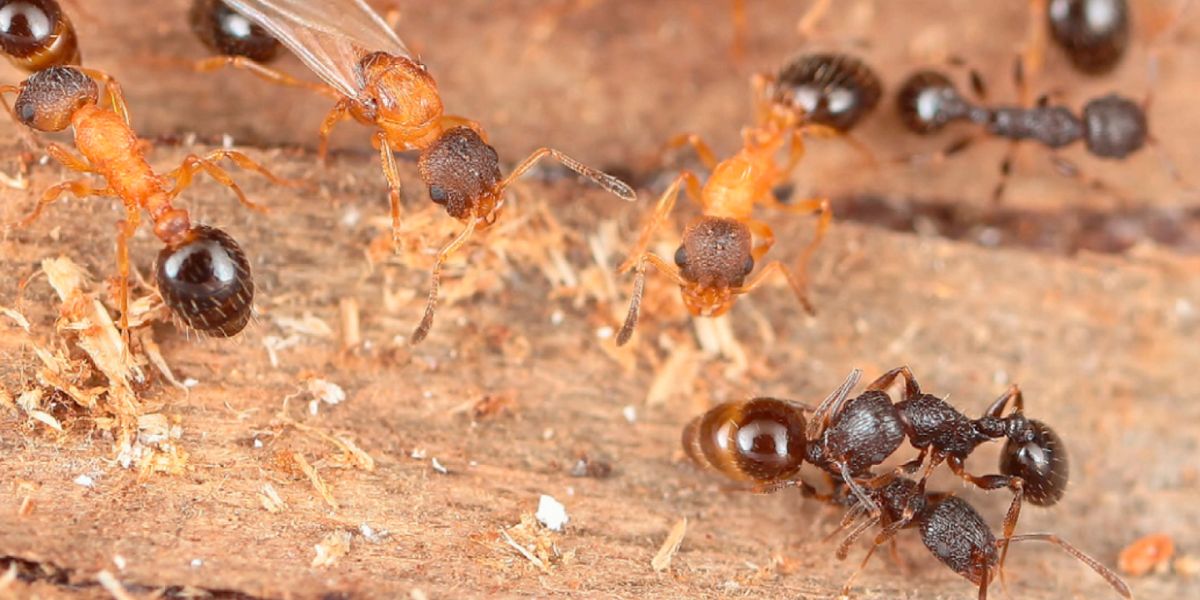
Houston homeowners are being urged to inspect their outlets, chargers, and breaker panels after pest control professionals reported a troubling pattern this March — small, fast-moving ants slipping unnoticed into electronics, sometimes until devices suddenly stop working.
What’s happening
The insects are known as tawny crazy ants, formally called Nylanderia fulva. According to a Houston-based pest control company, the species is notoriously difficult to eliminate with basic spot treatments because it forms dense supercolonies containing multiple queens, allowing infestations to rebuild quickly even after partial treatment.
Research from a Texas university found the ants were first documented in Harris County back in 2002. Since then, they have spread to more than 40 counties across Texas.
Why it’s a bigger problem than it seems
What makes these ants especially destructive is their behavior around electricity. Researchers say that when an ant touches an energized component and is electrocuted, it releases alarm pheromones that draw even more ants to the same spot — raising the odds of repeated electrical failures rather than a single isolated incident.
Because the damage often looks like an ordinary electrical glitch, many homeowners may not realize pests are the real cause until the problem becomes severe. Related ant species have already been linked to over a billion dollars in damage and control costs across Texas annually.
What homeowners should watch for
Experts recommend checking for small, reddish, erratically moving ants near outlets, phone chargers, breaker panels, and outdoor AC units. Over-the-counter sprays are largely ineffective against established colonies.
Recommended precautions include sealing electrical panels and boxes, clearing mulch and debris away from foundations, and scheduling inspections before the insects’ peak activity season arrives. Anyone noticing signs of an infestation is advised to contact a licensed pest control professional for proper identification and treatment.