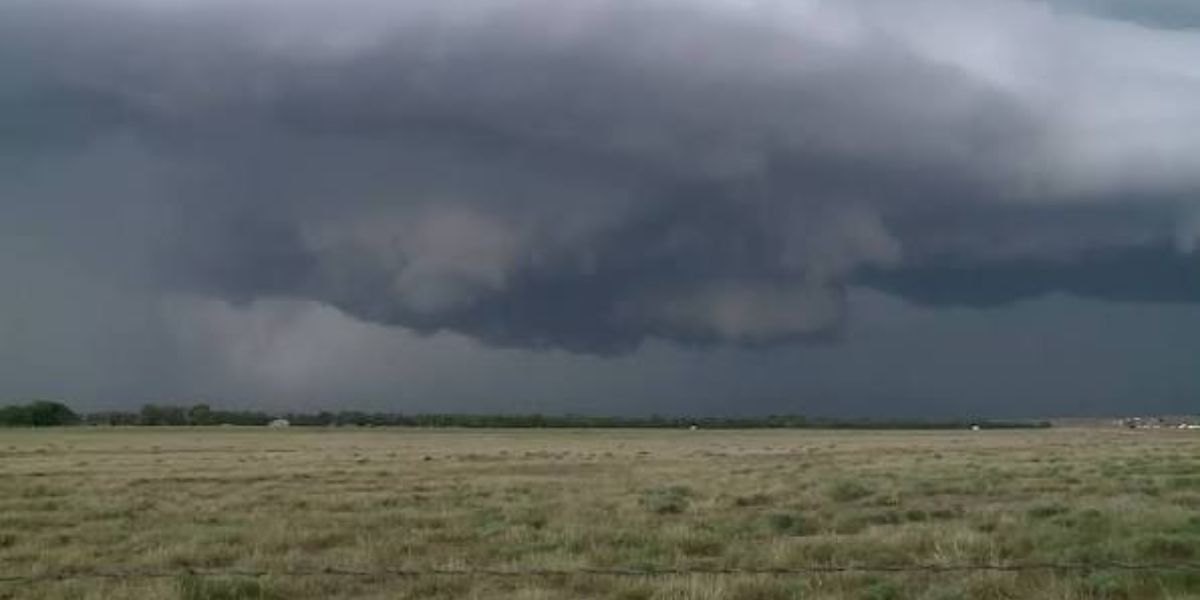
HOUSTON, TEXAS — A dangerous chain of pop-up thunderstorms fueled by moisture surging off the Gulf of Mexico is tearing through eastern Texas today, targeting millions of drivers and residents along the Interstate 45 corridor stretching from Houston all the way north to Dallas.
The storms are not waiting for a warning. They are forming fast, striking hard, and moving unpredictably.
Southeast Texas Taking the Hardest Hit
The Houston metro area, along with College Station, Huntsville, and communities near Galveston, are seeing the most intense storm activity. Radar is lighting up with multiple tightly clustered cells dropping heavy rainfall and sending frequent lightning strikes to the ground with little notice.
The I-69 corridor between Houston and Huntsville is among the most active zones right now. Residents in these areas should not assume they have time to wait — these storms can intensify within minutes.
Storms Pushing North Toward Dallas
The threat does not stop in southeast Texas. Storm cells are also developing farther north near Corsicana, Palestine, Crockett, Nacogdoches, and Lufkin. Even closer to the Dallas-Fort Worth metro, activity is showing near Tyler, Gilmer, Greenville, and Denton.
Waco and Mexia are also seeing isolated but heavy storm development along the I-45 corridor.
The Hazards Every Driver and Resident Must Know
Forecasters warn that this outbreak is not primarily about tornadoes or damaging winds — but do not let that lower your guard. The real killers today are:
- Flash flooding from sudden, torrential downpours
- Lightning strikes with little to no warning
- Near-zero visibility on highways including I-45, I-69, and I-10
Motorists are strongly urged to pull over safely if caught in a sudden downpour. Do not attempt to drive through flooded roadways.
These storms are expected to remain active through the afternoon and evening hours. Stay alert, check conditions before traveling, and keep emergency contacts ready.
Do not wait until the storm is overhead. By then, it may already be too late.