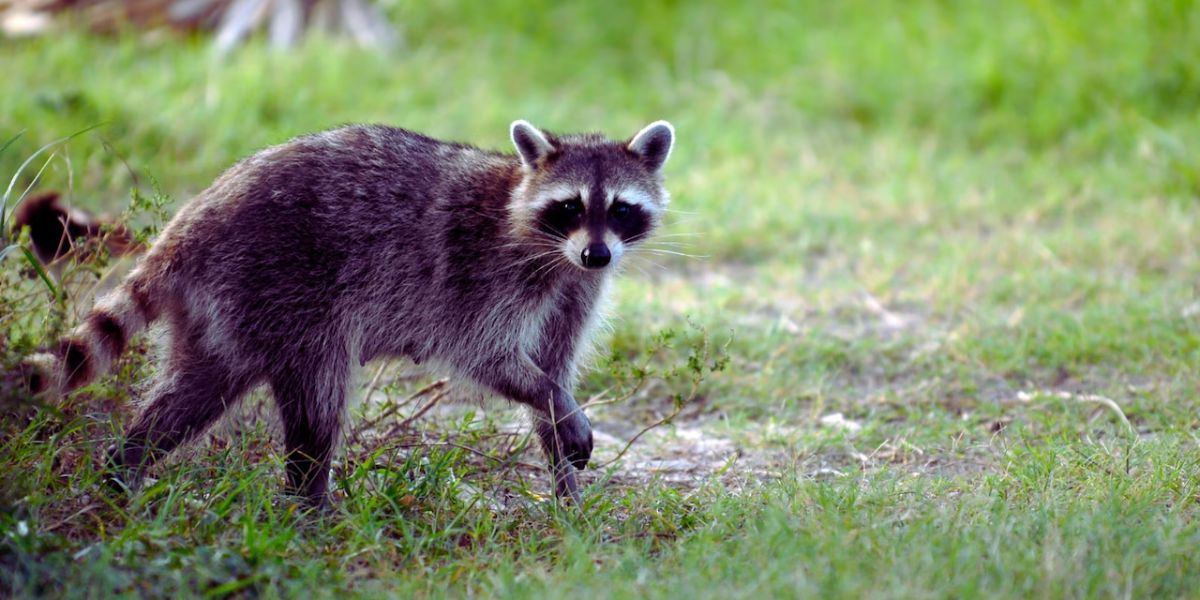
Far Hills, New Jersey — What began as a routine evening in a Far Hills backyard quickly escalated into a public health concern after a resident’s dogs killed a raccoon on June 15, and laboratory testing later confirmed the animal carried rabies.
The incident occurred on Spring Hollow Road, where the homeowner’s dogs encountered and attacked the raccoon on their own property. Animal Control Solutions responded to collect the deceased animal, which was then submitted to the New Jersey Department of Health Public Health Laboratory. Results came back positive for rabies, prompting an immediate response from the Somerset County Department of Health.
The dogs involved in the attack were current on their rabies vaccinations, which health officials say is critical in situations like this. Despite their protected status, the animals are now under mandatory legal quarantine as a precautionary measure, a standard protocol following any confirmed rabies exposure.
Somerset County Health Officer Himanshi Bhatt issued a direct warning to the public. “While rabies is a serious illness, it is entirely preventable with prompt treatment,” Bhatt stated. “We encourage all residents to vaccinate their pets and avoid contact with wild or stray animals, especially those that appear sick or are acting unusually.”
This confirmation is not an isolated incident. Between January and March of this year alone, 20 raccoons tested positive for rabies across New Jersey, signaling an active and ongoing concern throughout the state.
Health officials are reminding all residents that rabies spreads through bites, scratches, or contact with infected saliva entering open wounds. Anyone bitten or scratched by a wild or unknown animal should immediately wash the area thoroughly with soap and water and seek medical attention without delay.
Pet owners are strongly urged to verify that their animals’ rabies vaccinations remain current. Vaccination is the single most effective protection against this fatal virus for both animals and humans.
Anyone spotting animals behaving erratically or aggressively should avoid all contact and report the sighting immediately to local police or their health department.