ANCHORAGE, AK — Today is the summer solstice — the longest day of the year — and the difference in daylight hours across the U.S. is more extreme than most people realize.
Alaska sees something most Americans never will
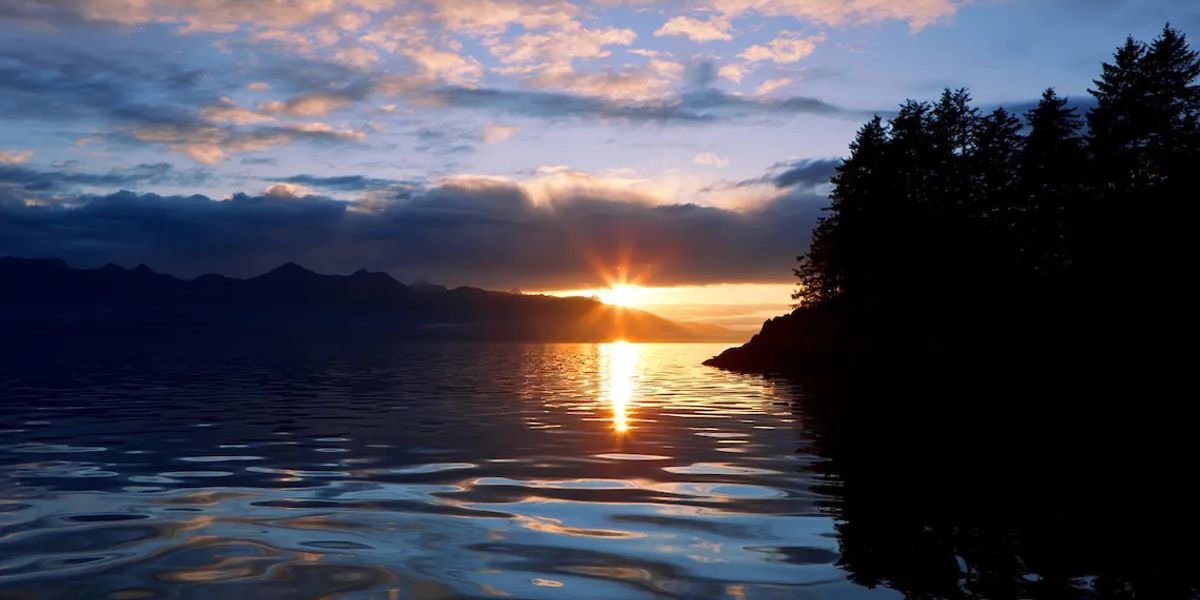
Residents across northern Alaska will not experience darkness at all tonight. With up to 24 continuous hours of daylight, the state sits at such a high latitude that the sun simply does not set on the summer solstice. For many communities there, this has been a reality all week — and it will continue for days to come.
The gap widens the farther south you go
While Alaska enjoys round-the-clock sunlight, residents across Florida and the Gulf Coast are seeing just 13.5 hours of daylight today — a difference of more than 10 hours compared to the far north. States along the northern border with Canada, including parts of the Upper Midwest, northern Plains, and Northeast, are landing between 16 and 20 hours of sunlight. The central United States, covering much of the Midwest and Mid-Atlantic, falls in between at roughly 14.5 to 15.5 hours.
What makes today different from every other day
The summer solstice occurs when the sun reaches its northernmost point in the sky, directly over the Tropic of Cancer. This is the moment Earth’s axial tilt points the Northern Hemisphere closest to the sun, producing the maximum possible daylight for every location north of the equator. No other day this year will have more daylight than today.
Starting tomorrow, the days grow shorter
Beginning Wednesday, daylight hours will begin decreasing across every part of the country. The change will be nearly invisible at first — just seconds per day — but by late summer, the shift will become noticeable. By December, the U.S. will reach the opposite extreme on the winter solstice, when daylight hours hit their annual low point.
For now, today marks the peak of summer light. Whether you are in Anchorage watching the midnight sun or in Miami catching a standard sunset, the planet is at the same tilt — the only difference is where you happen to be standing on it.