Springfield, Illinois — If you live in Illinois, the ground beneath you has shaken more times this year than anywhere else in America.
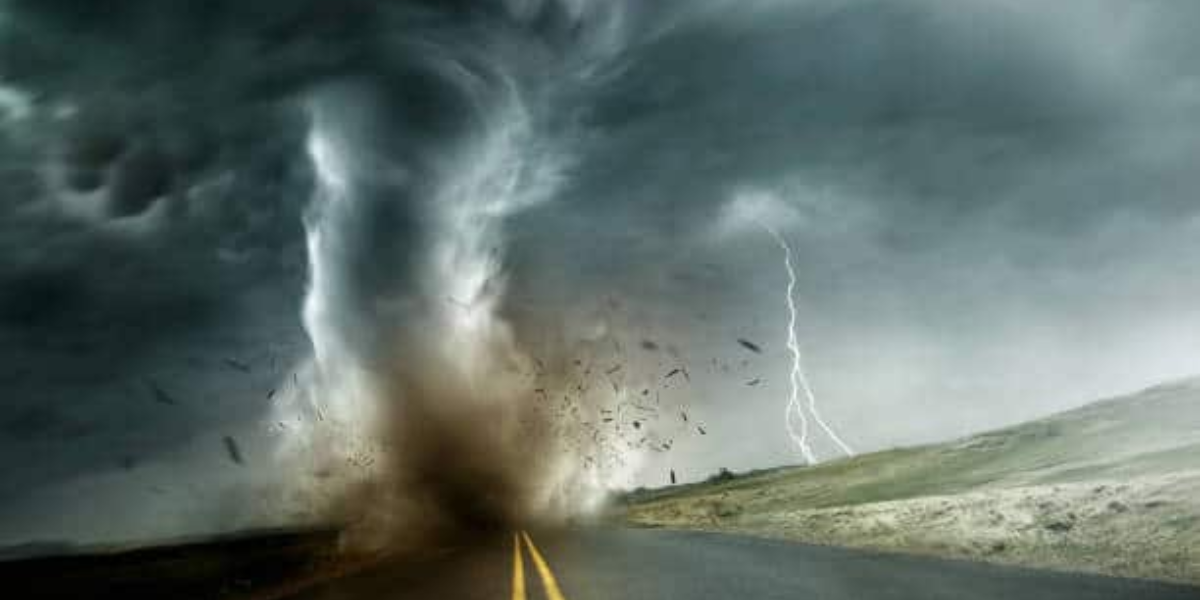
Through mid-June 2026, Illinois has logged 156 preliminary tornado reports — more than any other state in the country, and nearly double the number recorded in Mississippi, which ranks second with 82 reports.
Missouri follows with 62 reports, Iowa with 61, and Kansas with 52. States that traditionally dominate tornado statistics have all fallen behind Illinois this year by significant margins.
The numbers tell a striking story: Illinois has recorded more tornado activity than several classic Tornado Alley states combined.
What’s Driving the Surge
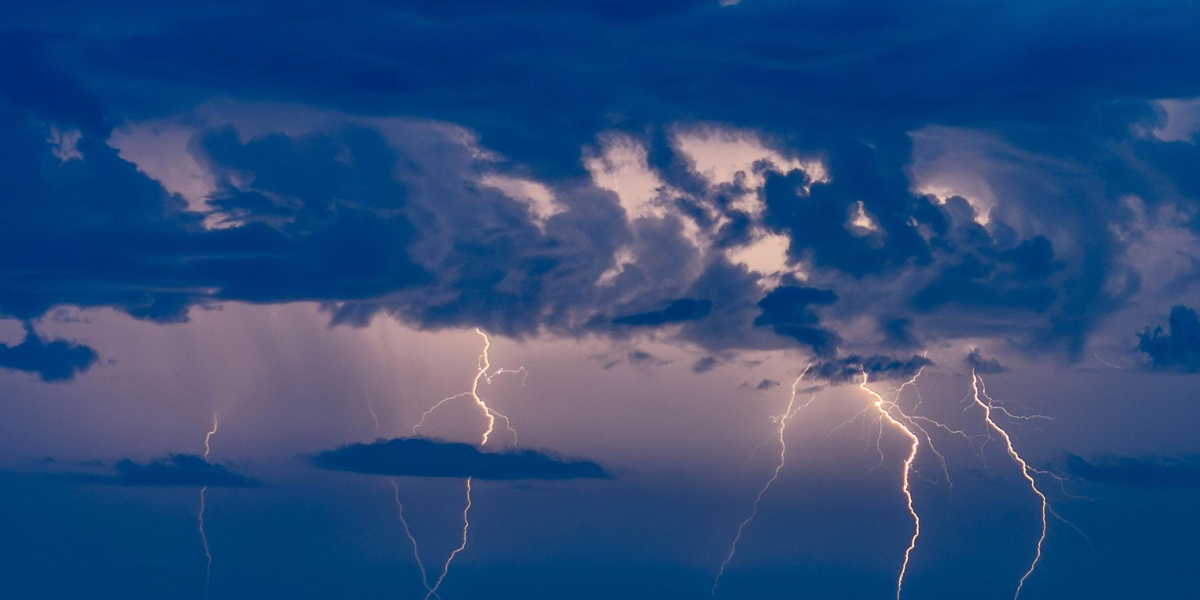
Repeated storm systems have tracked through the Mississippi and Ohio valleys during spring and early summer, creating conditions that have fueled an unusually active severe weather season across the Midwest. Central, northern, and southern Illinois communities have all been hit — multiple times — by damaging winds, large hail, and tornado warnings throughout 2026.
These Numbers Could Still Change
It’s important to understand what these figures actually mean. The 156 reports are preliminary — not finalized tornado counts. National Weather Service teams conduct ground surveys and investigations after each event. Some reports may later be confirmed, combined with others, or removed entirely as analysis continues.
Still, even accounting for adjustments, the scale of Illinois tornado activity this year is historic.
What Residents Should Do Now
Emergency managers are urging Illinois residents not to wait for the next storm to act. Peak severe weather season continues into summer, and forecasters warn that additional rounds of storms are likely.
Experts recommend:
- Identifying a safe shelter location in your home or building
- Having multiple ways to receive weather warnings — phone alerts, weather radio, and local news
- Reviewing your emergency plan with family members before the next system develops
More tornado reports and survey updates are expected as the 2026 severe weather season continues across the region.