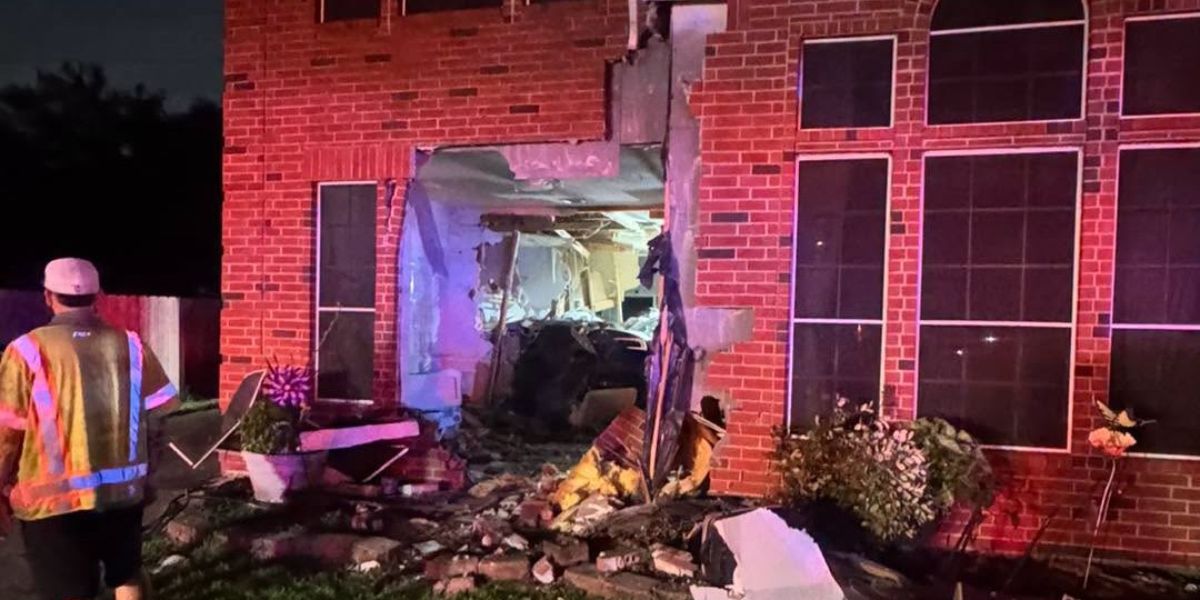
Katy, Texas — The family of a 76-year-old woman killed when a Tesla crashed directly into her home has filed a lawsuit against both the electric vehicle company and the driver, raising urgent questions about the safety of automated driving technology on American roads.
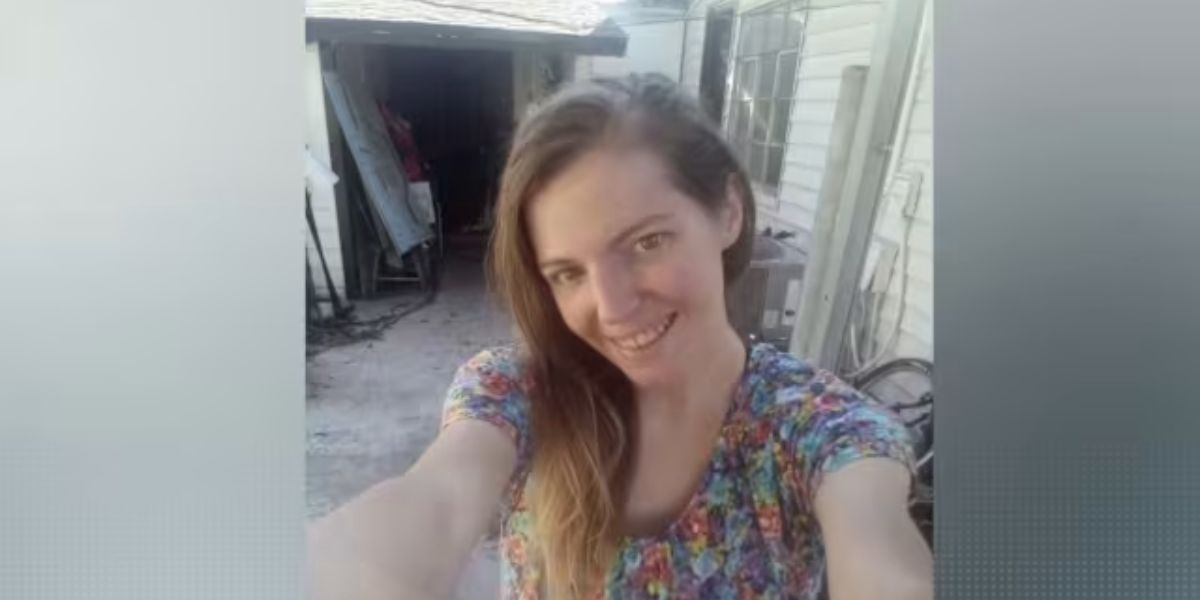
Martha Avila was inside her Katy residence when a Tesla Model 3 slammed into the structure, leaving her fatally injured. Her daughter, Jennifer Barbour, filed the lawsuit on behalf of her mother, citing a design defect in the vehicle as the central cause of the deadly crash.
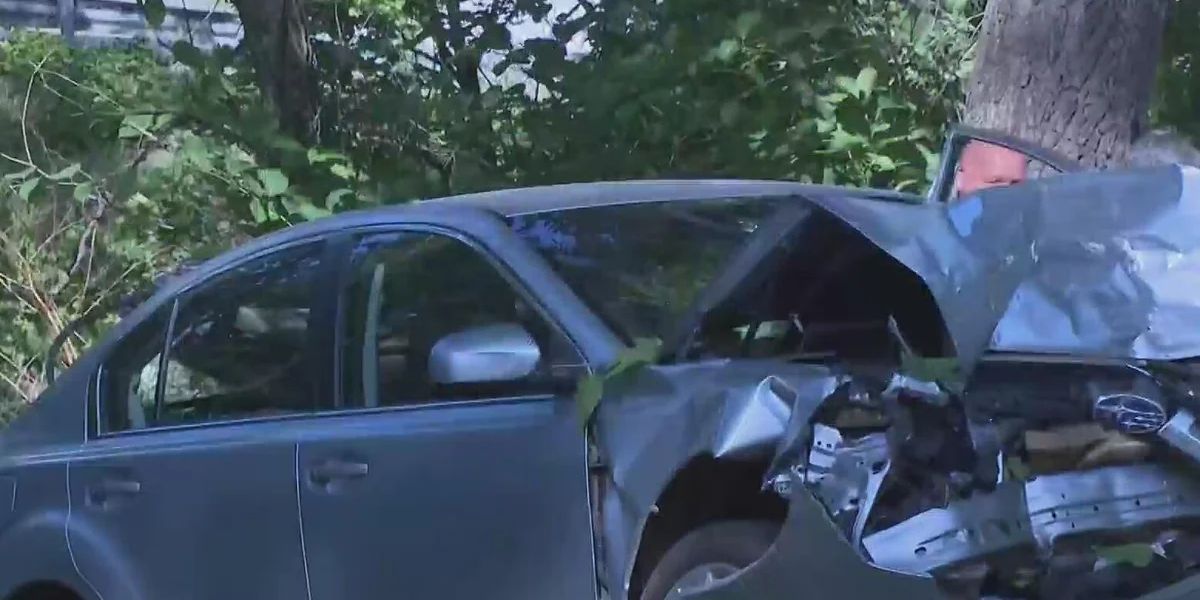
The driver, identified as 44-year-old Michael Butler, told Harris County Sheriff’s Office investigators that the Tesla’s autopilot program was engaged at the time of the collision, a detail that has placed the vehicle’s automated systems under intense scrutiny.
The National Highway Traffic Safety Administration has since launched a formal investigation into the crash, specifically targeting the car’s automated driving technology — a development that signals growing federal concern over how these systems perform in real-world residential settings.
Tesla has remained publicly silent on the crash itself, but the company’s head of artificial intelligence took to social media to push back against blame being directed at the self-driving feature. He claimed the driver manually overrode the system by pressing the accelerator fully down in the residential area, reportedly reaching 73 miles per hour, with the pedal remaining pressed even after impact.
Harris County Sheriff’s Office investigators continue examining the full circumstances of the crash as conflicting accounts from the company and the lawsuit set the stage for a legal battle over responsibility.
Amid the investigation and litigation, Barbour and her husband Justin issued a heartfelt statement honoring the first responders who arrived at the scene, praising EMS crews, Life Flight personnel, and firefighters for their compassion and swift action during what the family described as an unimaginable tragedy.
The case is expected to draw national attention as courts and federal regulators grapple with who bears responsibility when automated vehicle technology is involved in fatal accidents.